Understanding Bali’s Dual Seasons: Dry vs. Wet
The dry season, stretching from April to October, is synonymous with consistent sunshine, lower humidity, and gentle breezes. During these months, average daily temperatures hover around 28-30°C (82-86°F), with humidity levels typically between 60-70%. This period is celebrated for its calm seas and minimal rainfall, making it ideal for navigating the archipelago’s intricate waterways and exploring remote islands.
Conversely, the wet season, from November to March, brings higher rainfall and increased humidity, often reaching 85-90%. While rain showers can be intense, they frequently arrive in short, powerful bursts, leaving behind a refreshed, vibrant landscape. Temperatures remain warm, averaging 26-28°C (79-82°F). Marine conditions during the wet season can be more dynamic, with occasional choppier seas, particularly in open stretches. However, the wet season also unveils a different kind of beauty: lush, emerald-green rice paddies and fewer visitors.
The Dry Season Zenith: April to October
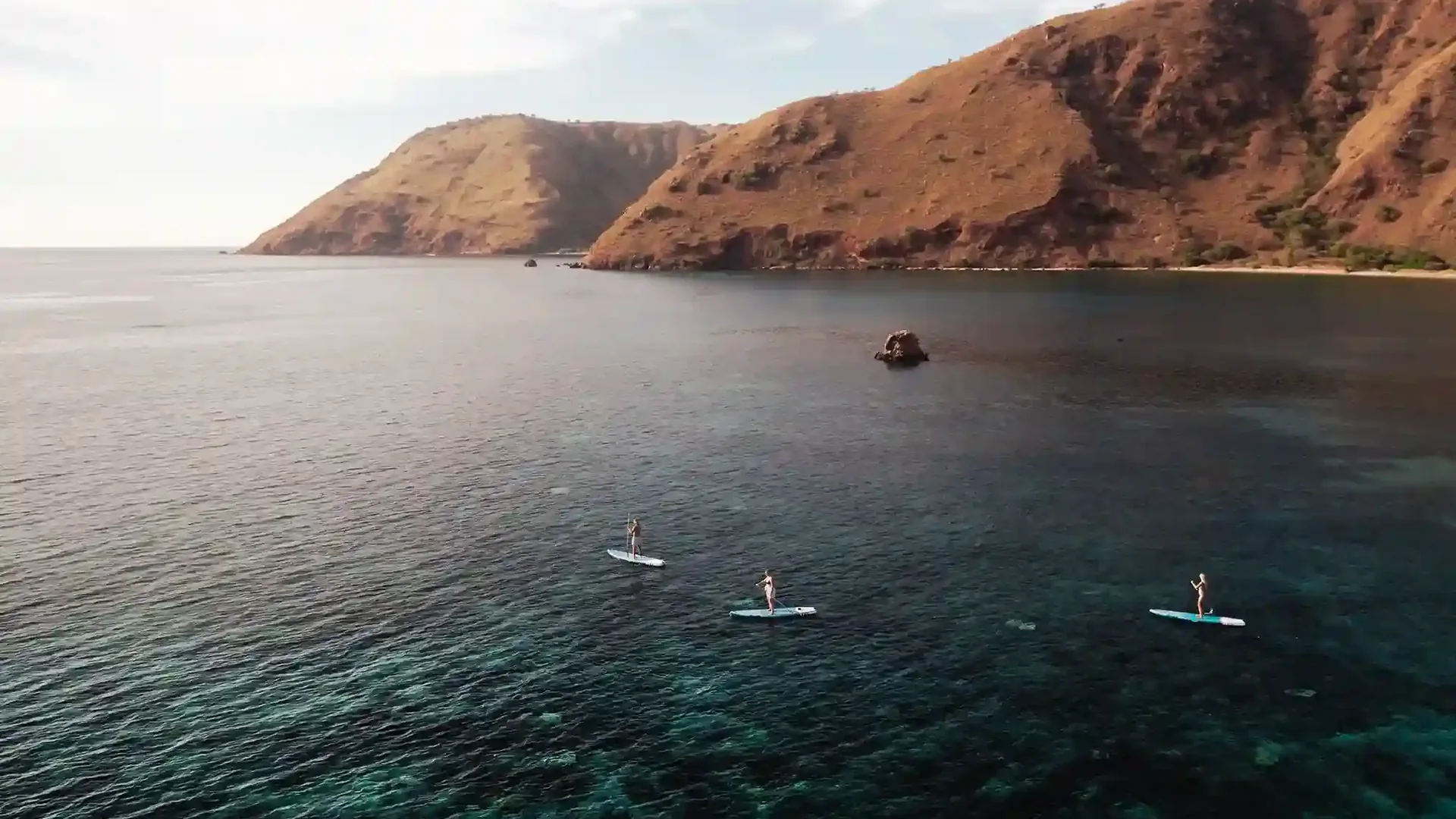
This seven-month stretch represents the pinnacle for a luxury yacht charter in Bali. The weather is consistently magnificent, offering endless blue skies and minimal precipitation. Water visibility for diving and snorkeling regularly exceeds 20-30 meters (65-100 feet), revealing a kaleidoscope of marine life. The prevailing southeasterly winds are typically light, creating calm, inviting waters for smooth cruising between destinations like Nusa Penida, the Gili Islands, or even further afield to Komodo National Park.
June to August represents the absolute zenith — virtually no rain, consistently sunny days, and very calm seas. This is the ideal time for extended voyages, exploring remote islands, and maximizing water-based activities. However, these months coincide with European summer holidays and Australian winter breaks, leading to the highest tourist numbers and the highest prices. Booking 9-12 months in advance is almost a necessity for premium yachts during this window.
The shoulder seasons: a strategic balance
April to May and September to October represent a strategic compromise, delivering much of the dry season’s idyllic weather while sidestepping the absolute peak season crowds and pricing. Average water temperatures consistently hover around 27-29°C (81-84°F), inviting extended swims and dives. You’ll find popular diving sites like Manta Point off Nusa Penida still bustling with marine life but potentially with fewer dive boats than in July or August. Pricing during these windows can be 10-15% more favorable compared to the absolute peak.
Navigating the Wet Season: November to March
The transition from dry to wet season in November brings initial rains, often a welcome refreshment after months of sun. December sees an increase in rainfall but also a festive atmosphere leading up to Christmas and New Year. While popular land-based areas can become busy with holidaymakers, the yachting experience remains relatively calm, especially if you venture beyond the immediate tourist hubs.
January and February are typically the wettest months, with consistent rainfall. However, the pattern often involves morning sun followed by afternoon showers, allowing for outdoor activities. March sees a gradual decrease in rainfall as the dry season approaches. These months offer the lowest tourist density and the most significant savings. The lush scenery is unparalleled, and you’ll find a more authentic, unhurried side of Bali. Yacht crews are also often more flexible with itineraries, tailoring your journey to the best weather windows.
Optimizing Your Experience: Marine Conditions, Crowds, and Crafting the Itinerary
Throughout the dry season, the seas around Bali and its neighboring islands are predominantly calm, with wave heights often less than 1 meter (3 feet). This allows for smooth cruising and comfortable access to dive sites such as Crystal Bay or Manta Point, where visibility can extend beyond 30 meters. During the wet season, localized squalls can temporarily increase wave action, particularly in the Lombok Strait, though experienced captains adeptly navigate these conditions, often adjusting routes for sheltered anchorages.
Crowd avoidance is a key element of luxury yachting
Even during peak dry season, a private yacht offers unparalleled access to secluded bays and lesser-known islands. Early morning departures can often get you to popular spots like the Gili Islands or Nusa Penida before the day-trippers arrive, allowing for a private swim or snorkel. Your yacht’s captain and crew are invaluable resources, offering real-time insights into local conditions and hidden gems. A journey to Komodo National Park is best undertaken during the dry season for optimal viewing of the Komodo dragons and pristine diving conditions.