The Paradox of Paradise: Why Timing Your Bali Yacht Charter is Critical
Bali’s allure is perennial, but its marine environment is governed by a distinct monsoonal climate. The wet season, typically spanning from late November to early March, presents a series of challenges that even the most well-appointed super-yacht cannot entirely mitigate. This period, governed by the northwest monsoon, is characterized by increased precipitation, often in the form of intense, short-lived downpours, and heightened humidity levels that can reach 85%.
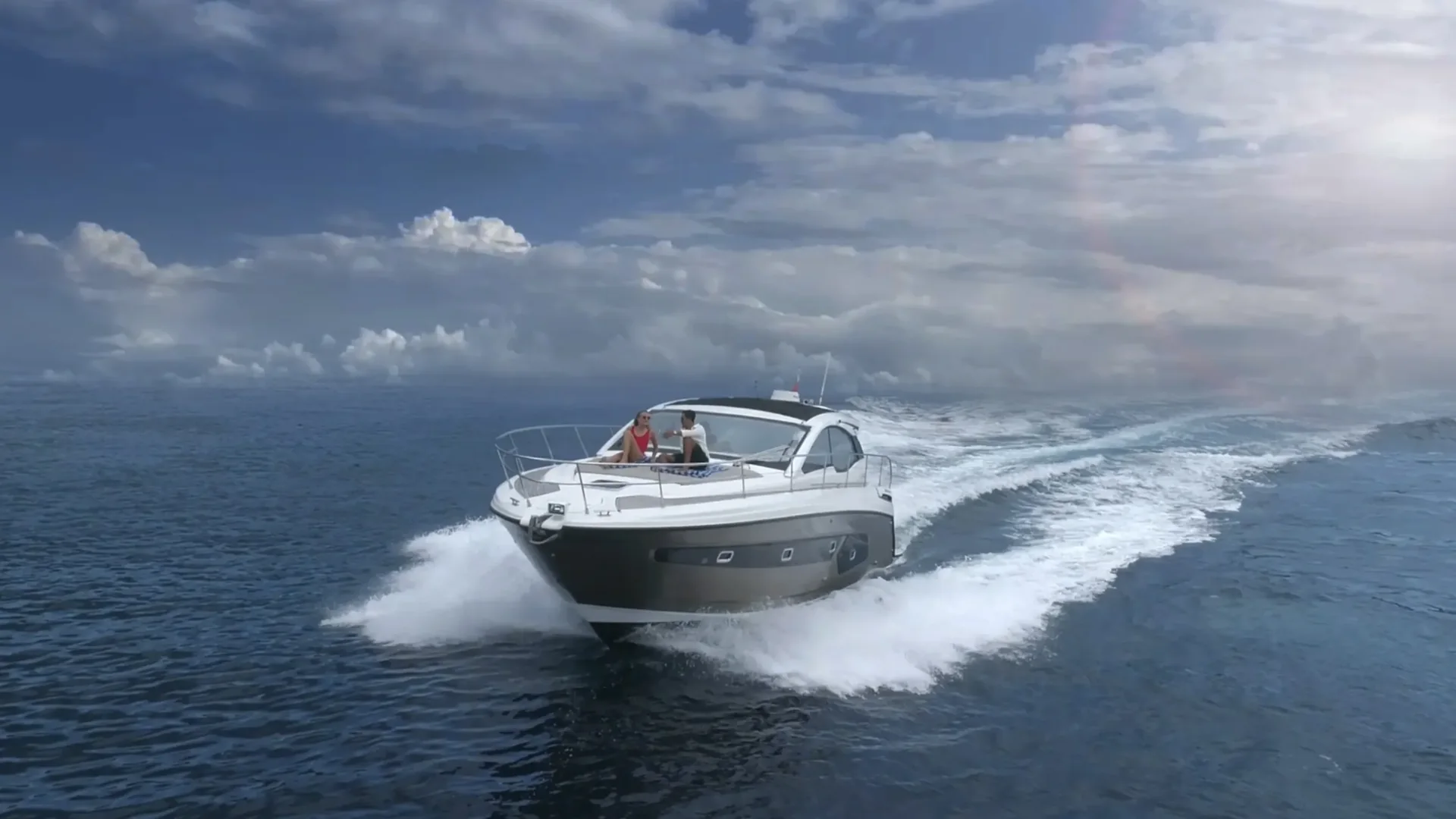
More consequential are the sea conditions. The monsoon winds create significant ocean swells, particularly in the open waters of the Lombok and Badung Straits. Swells can frequently exceed 2.5 meters, leading to uncomfortable passages and limiting access to more exposed anchorages and dive sites. Water clarity, a prime attraction for diving and snorkeling, is often reduced from a dry-season average of 25-30 meters to less than 15 meters due to runoff from the island’s rivers.
The risk is opportunity cost, not merely comfort
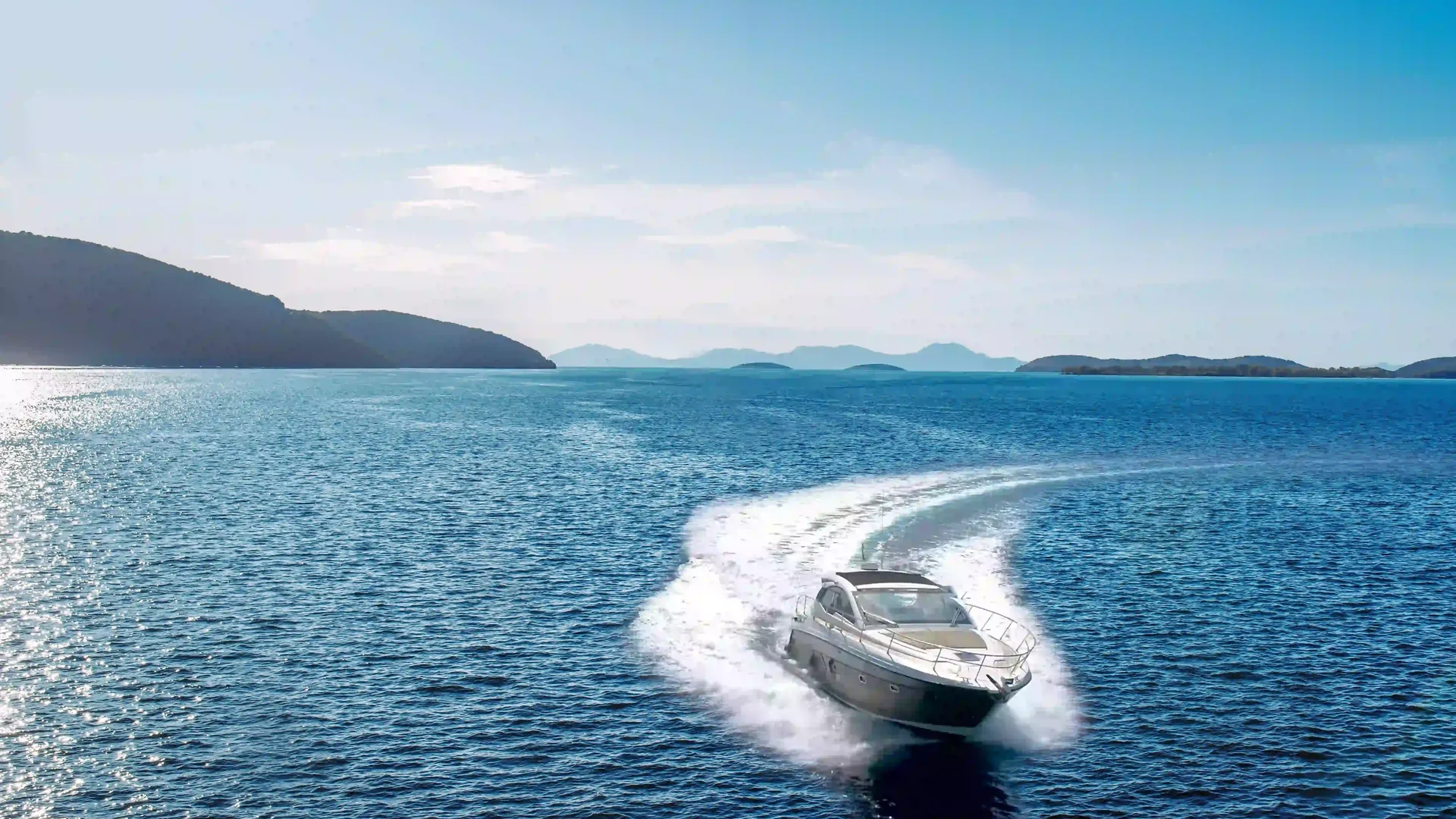
For guests chartering a vessel for its stability and grace, tranquil water is the point, and that is found between April and October. The risk is not merely one of comfort but of opportunity cost — missing the chance to witness the Mola Mola at Crystal Bay or to anchor in a secluded cove off Nusa Penida because of prohibitive sea states.